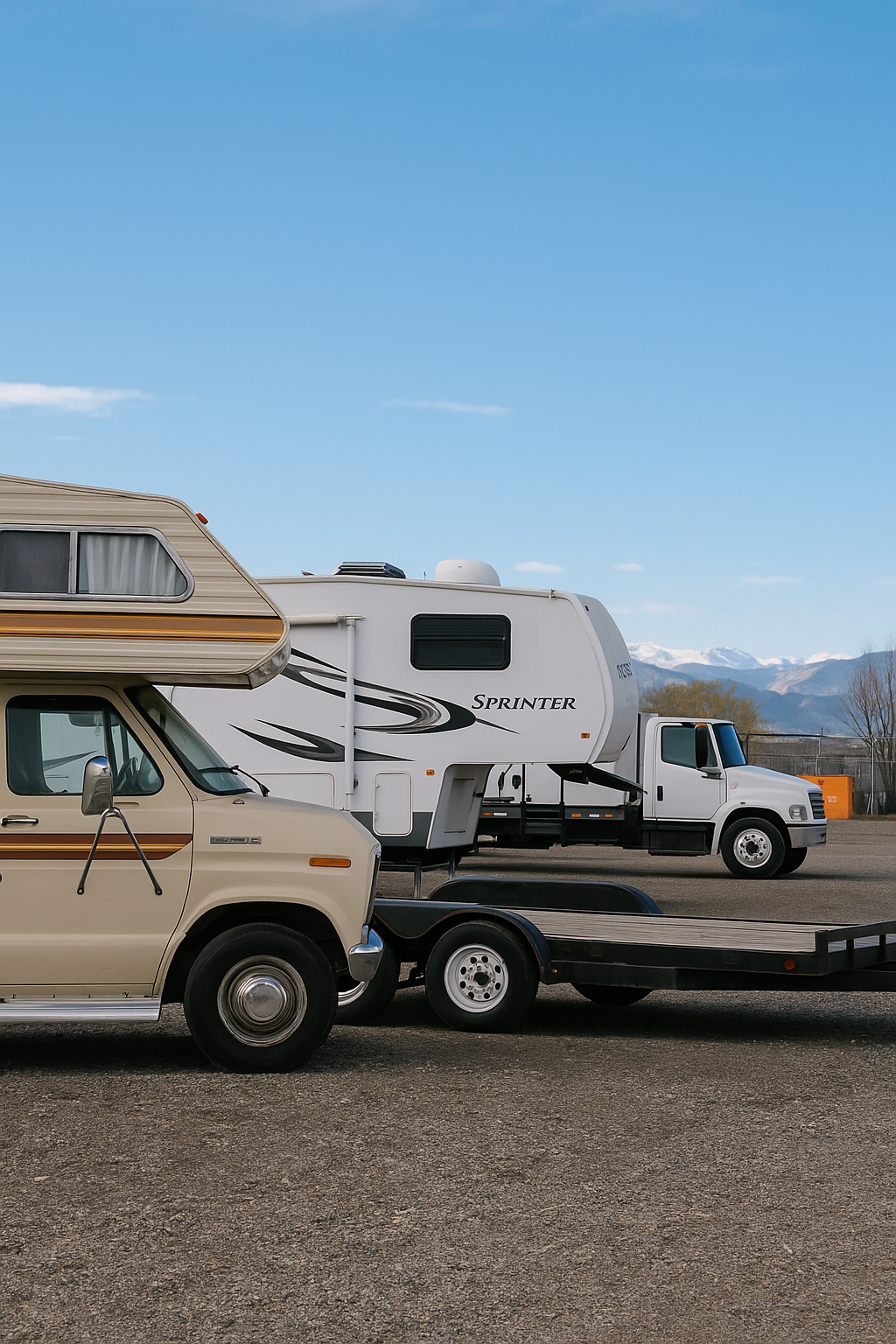
Smart reminders for RV owners, contractors, and anyone
prepping for long-term vehicle parking in Colorado.
As December settles into the Denver Metro area—bringing
colder nights, early sunsets, and those classic “is it going to snow or stay
sunny?” Colorado mood swings—it’s officially time for many RV owners and
contractors to wrap up the busy season. Whether you’re parking your RV after
one last fall road trip, storing trailers and heavy equipment, or prepping work
vehicles for a slower winter schedule, an end-of-season check-in can save you
time, money, and headaches down the road.
And the best part? You don’t need a full-blown winterization
playbook to get this right. With a few smart habits and quick maintenance
checks, your RV, trailer, or work rig will be ready to rest comfortably at
Greenbox RV & Boat / Industrial Storage until spring.
1. Give Everything a Quick Exterior + Interior Once-Over
Before you park for the year, take a few minutes to scan for
anything unusual:
For contractors, a quick cab-and-cargo cleanup keeps tools
protected and eliminates the clutter that builds up after a busy season.
2. Top Off Fluids + Check Battery Health
Even if you’re not winterizing, topping off essential
fluids—oil, coolant, windshield washer fluid—helps keep systems healthy through
long-term parking.
A few simple tips:
If you want deeper guidance on protecting batteries during
seasonal downtime, check out our related post on how to protect your RV and boat batteries during winter storage.
3. Organize Your Gear Before It Goes Into Storage
Clutter happens—whether it’s leftover camping gear or
jobsite materials. But long-term parking is a great time to reset.
Staying organized now makes spring commissioning a
breeze—and prevents the “Where did I put that?” scavenger hunt later.
4. Check Tires + Weight Distribution
Tires lose air naturally over time, and Denver’s cold snaps
accelerate the process. Before parking:
If you want a quick refresher on how tire pressure differs
across vehicle types—from passenger cars to RVs, trailers, and heavy
construction equipment—this breakdown from Triangle Tires is an excellent resource.
5. Secure Everything Before You Leave
Wind, weather, curious wildlife, and Denver’s occasional
high-gust days can all test your equipment. Before you head out:
This quick walkaround is one of the best habits you can
build—and it reduces the chances of mid-winter surprises.
6. Plan Your Parking Spot Strategically
At Greenbox, we encourage customers to think long-term about
how their vehicle or equipment will sit for the season:
A little planning goes a long way—especially during Denver’s
icy mornings or thaw-and-freeze cycles.
7. Make a Quick “Spring Prep” Note for Yourself
Future-you will love this tip:
Before walking away, jot down what you’ll want to check when you return—maybe a
tire inspection, fluid check, battery charge, or the location of stored gear.
Tape the note somewhere visible inside the RV or vehicle cab.
It’s a simple way to stay ahead and avoid guesswork next
season.
Wrapping Up the Season the Smart Way
The end of the season doesn’t have to be complicated. With a
quick maintenance check, a little organization, and a few smart habits, you can
park your RV, trailer, or contractor equipment confidently for the winter—and
know everything is ready and waiting when warmer weather returns.
At Greenbox RV & Boat / Industrial Outdoor Storage, we
make long-term parking simple, secure, and stress-free for Denver’s adventurers
and hardworking contractors alike. If you’re prepping to store your vehicle or
equipment for the season, we’re here to help you finish strong.
If you’d like a meta description, teaser, social captions, or a custom image prompt for this blog, I can create those too!
